




The Brazilian industry is now awaiting the official announcement to begin exports.

This year, the sector expects promotable volumes from June through the beginning of January.
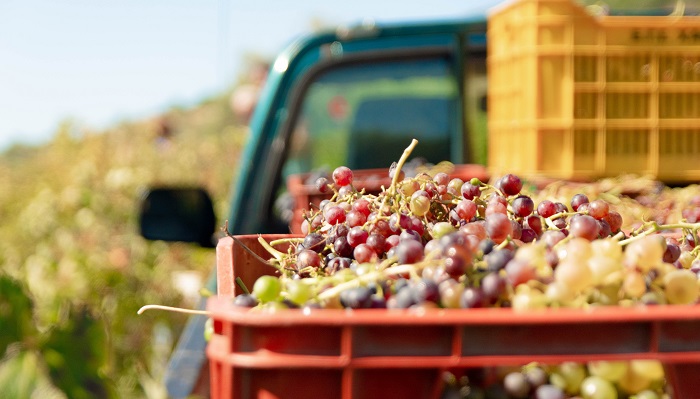
Peruvian table grape industry are expecting a season with more abundance of table grapes, which is why prices will go back to normal.

The sector is looking at a total production of 62,5 million boxes, according to Frutas de Chile’s last industry survey. If realized, this would mean a 4% increase over earlier projections, which put production at 60 million boxes.

Last year, production reached 72 million boxes. Kathleen Nave, president of the California Table Grape Commission, said the last time the crop was under 75 million boxes was 1994.

Global fruit company Sun World International, LLC, said Wednesday that it successfully stopped fraudulent activity on the social media platform TikTok in China. "Recently, Sun World became aware of unauthorized individuals attempting to misrepresent the company on TikTok, falsely claiming association with Sun World and promoting fraudulent services under the guise of providing technical support […]

Canada will require listing sulfur dioxide on food labels in the list of ingredients for fresh table grapes.

Chilean exporters and authorities expected to have the protocol approved for the 2023-24 season, but an issue related with the Free Trade Agreement between Chile and the EU is holding it back.

Cyclon Yaku in early March 2023 caused damages estimated at $630 million in the northern region of Peru, with strong winds and rain for weeks which lowered table grape production volumes by 30%.

As per the Chilean Fruit Exporters Association Frutas de Chile (formerly ASOEX) third estimate, over 62 million table grape boxes will be shipped to international markets this 2023-24 campaign.