




Supply issues began in August when Hurricane Hilary struck California. From there, the industry witnessed a domino effect of adverse conditions.

Exports are expected to remain nearly unchanged at 3.7 million tons, with greater shipments coming from Chile and China making up for losses from Turkey and the U.S.

The U.S. received 47% of Peru’s overall shipments in 2022. It is expected to remain the top export destination for Peruvian grapes.

With approximately 30% of the crop harvested when the hurricane hit, it is projected that 35% of the remaining crop – 25 million boxes – has been lost.

After a high-priced early Jalisco deal, Mexico’s traditional Sonoran production was delayed and otherwise set back by unseasonably chilly temperatures.

Incoming volumes this season culminated at 37.1 K tons, a 24% decline compared to the highest volume of 48.6 K tons recorded in the 2021/22 season.

Adverse weather, input costs surges and labor issues look set to cause a 3% drop in production.

Inflation has Peruvian producers and exporters on alert over concerns that consumers may opt to purchase less expensive fruit.
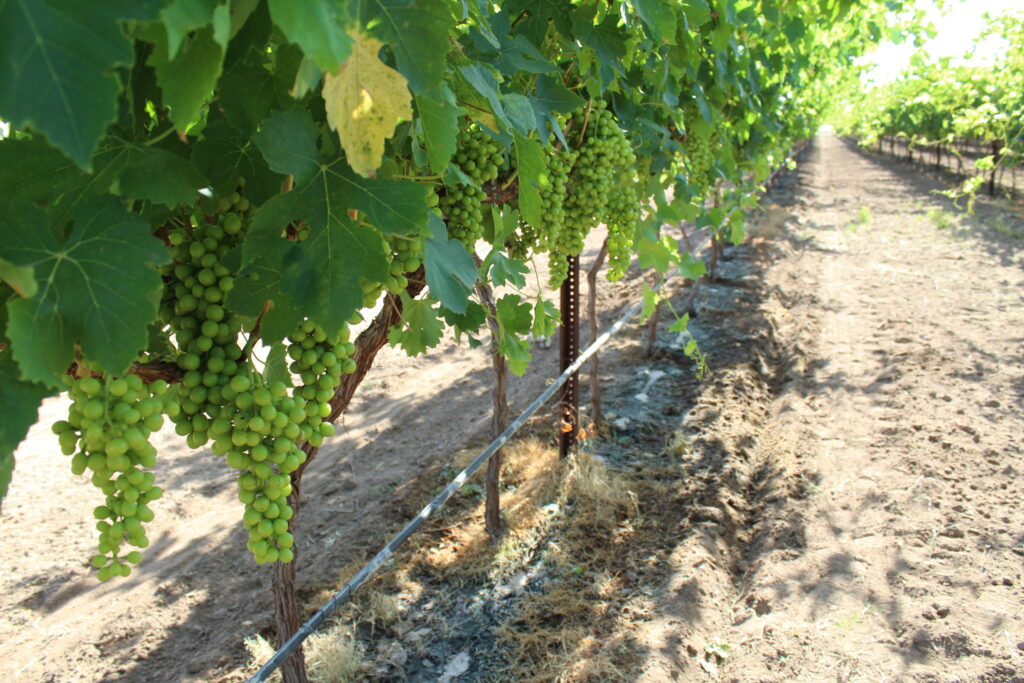
California vineyards experienced a variety of rainfall amounts in early September, leaving growers with radically differing views of table grape damage

The figure of $1.92 billion means that imports during the first six months of each year have more than doubled over the last decade.