


Both sectors face growing international competition, regulatory demands, and pressing quality standard requirements.

Bloom Fresh has stepped up enforcement actions against unauthorized plantings of its proprietary table grape varieties in Peru, including legal cases, supply chain monitoring, and investigations into nurseries suspected of illegal propagation. The fruit breeding company said it has filed three new legal actions with Instituto Nacional de Defensa de la Competencia y de la […]
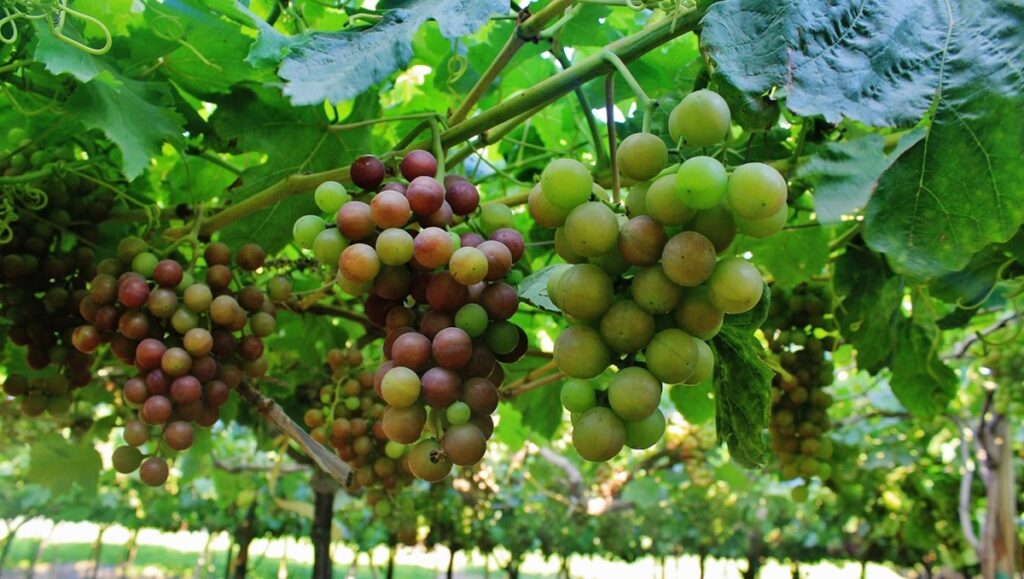
The Andean country’s campaign has been marked by varietal replacement, where seedless cultivars are king.
From tariff pressure to port congestion, exporters faced a more complex playing field this year. The industry’s response signals a tighter focus on quality, timing, and collaboration.
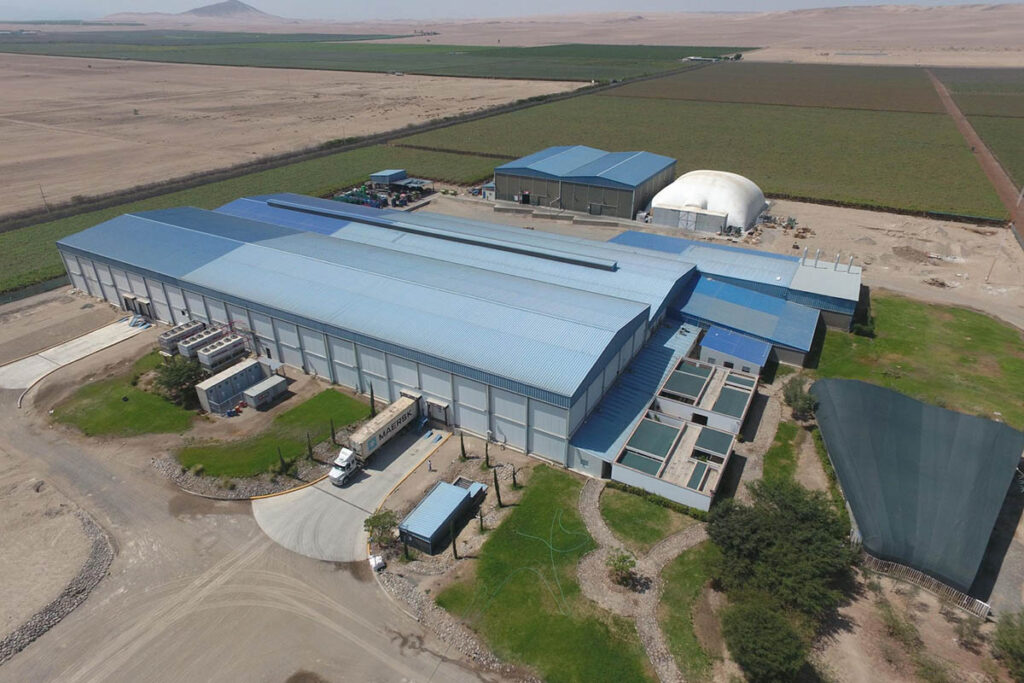
The company is now has 100 percent ownership of the Peruvian producer, including its nearly 1,400 acres of grape farms, plus two modern packhouses in Ica.

The US remains the top destination as Peru refines its place in the global table grape market. Smart harvest planning and a pivot to patented seedless varieties are boosting both quality and reach.
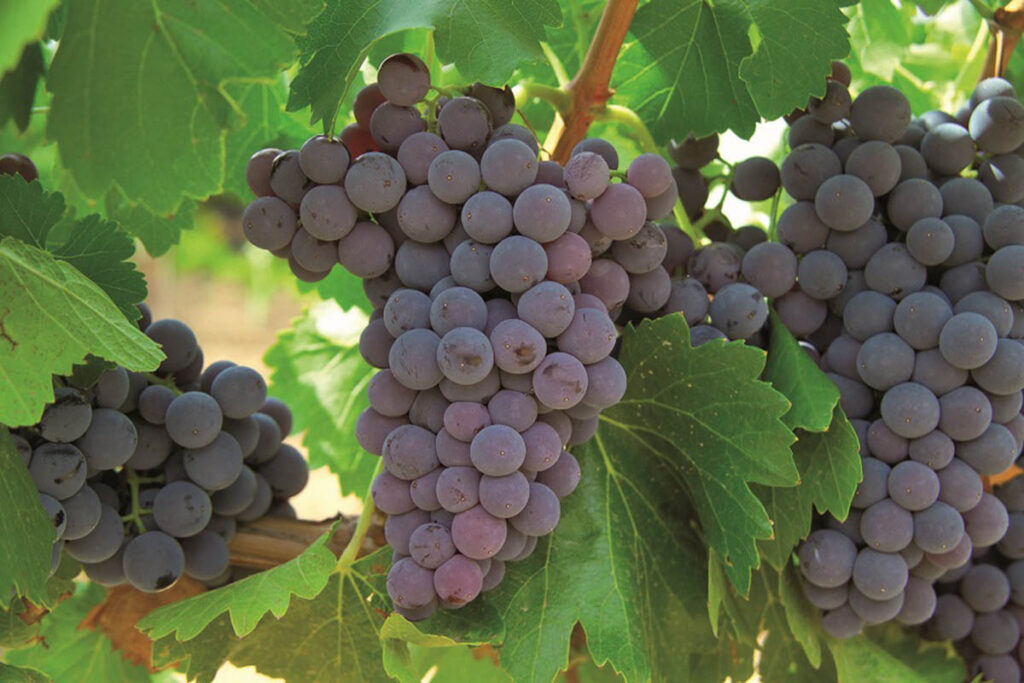
The Andean nation has experienced sustained unprecedented growth, reaching 4.6 million tons in 2024/25. However, its #1 spot is far from secure, as the Asian Giant is not far behind.
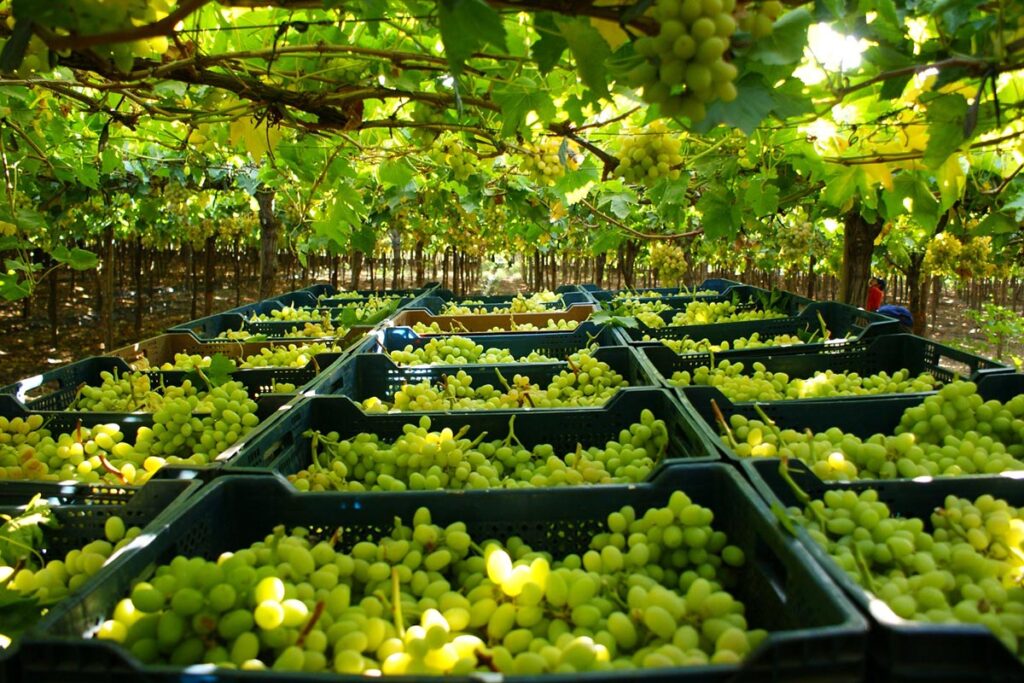
Over the past 20 years, US table grape imports have increased by 27 percent, a direct result of an ongoing upward trend driven by consumer preference for healthy, high-quality products,

Joaquín Balarezo, general manager of Ecosac, estimates that Peruvian grape exports will reach a record of 80 million boxes, surpassing previous seasons.

The work of SENASA of Peru and the U.S. Department of Agriculture, achieved this innovation that opens a new option for the Peruvian industry other than shipping fruit in containers.