



The Peruvian table grape industry continues its expansion in acreage and diversification of markets and varieties. However, growth may be stunted, as the sector faces a 2026/27 season marked by El Niño's effects.
At the Global Grape Convention 2026, Luis Miguel Vegas, General Manager at the Peruvian Table Grape Producers Association (Provid), spoke about the Andean country’s explosive performance and the sector’s outlook.
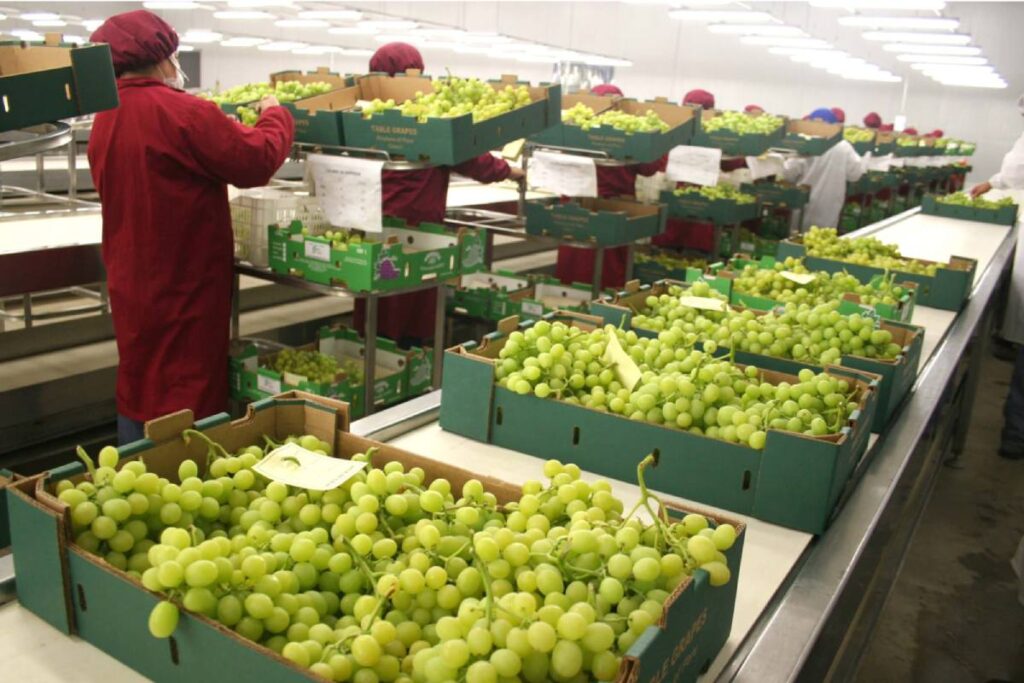
Peru closed the 2025/26 season with 86.4 million boxes exported, a four percent year-on-year increase. The country also reached nearly 59,000 certified acres for export, 85 percent of which corresponds to licensed varieties. Meanwhile, the value of exports exceeded $2 billion FOB.

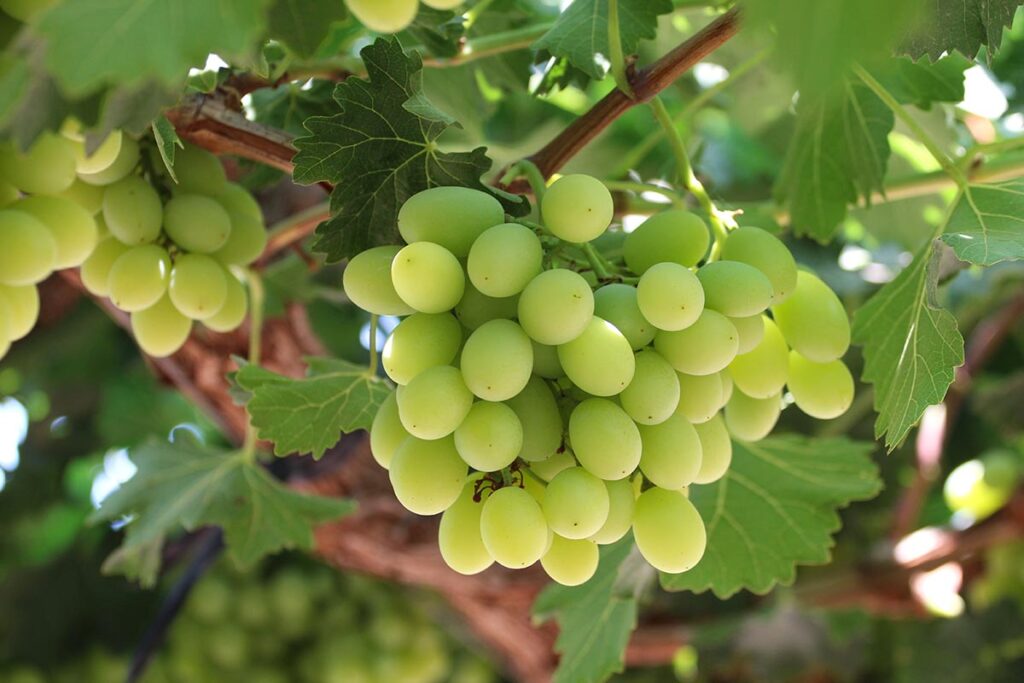
White seedless accounted for 62 percent of exports, followed by red seedless (24 percent), Red Globe (10 percent), and black seedless (four percent).
Vegas emphasized that the Peruvian industry’s transformation over the last 10 years has yielded a 120 percent increase in export volume, while the FOB value has grown by 200 percent. According to the executive, the trend persists even during El Niño seasons.
"Peru has grown more in value than in volume," he noted, emphasizing that varietal diversification is one of the factors behind this evolution.
A decade ago, nearly 90 percent of the varieties planted in Peru were traditional. Currently, 85 percent correspond to licensed varieties and only 15 percent to traditional ones. Sweet Globe represents 23 percent of the planted area, followed by the AUTUMNCRISP brand (21 percent). Both account for more than 40 percent of the country’s table grape surface area.
Destinations have also changed. While 10 years ago China accounted for 20 percent of Peruvian table grape exports, today that share has fallen to two percent.
Currently, the United States absorbs more than half of Peru’s exports, followed by the Netherlands (12 percent) and Mexico (10 percent).
Vegas emphasized the growth of the Aztec country, which had the largest market share growth last season, at 16 percent.
For Provid, one of the main challenges for Peru is China, where local production growth, initially driven by varieties like Shine Muscat, has reduced the window for imported fruit.
This situation is already reflected in Peruvian exports, which recorded a drop of close to 40 percent to China during the last season.

At the same time, the Asian country is increasing its own exports to other markets in the region, while Australia is also showing a growing trend.
For Peru, this reinforces the need to seek new destinations in Asia, especially countries with large populations and increasing demand, such as the Philippines, Indonesia, and Vietnam.
However, logistical distance remains one of the main barriers. Vegas noted that a sea transit of about 45 days to Indonesia, compared with about 15 days from Australia, leaves Peru in a less competitive position.
Heading into the 2026/27 season, Peru’s exports may continue to increase by the hand of certified acreage expansion.
Vegas said the industry projects around 64,000 certified acres, which, he warned, may not necessarily translate into a proportional volume increase due to the double El Niño effects: Coastal El Niño, associated with the warming of waters off the Peruvian coast, and Global El Niño, related to the warming of the central Pacific.
The sector is already experiencing temperatures above normal, while uncertainty remains regarding the intensity and timing of rainfall.
Higher heat can lead to greater vegetative growth, shorter cycles, earlier export curves, lower productivity, higher costs for phytosanitary applications, and risks to fruit quality.
Peruvian table grapes have access to more than 95 markets, and the country expects to finalize the opening of three new destinations during the next season. Diversification will be especially important given the growth of local production in markets such as China.

Another strategic point will be logistics. Provid sees an opportunity in coordination with other export crops, particularly blueberries, whose surface area has been growing at rates close to 10 percent.
The coincidence of the grape and blueberry seasons in November and December could enable greater use of maritime services and improve the logistical offering to Asian markets.
"If we want to attack the Asian market more, we need logistics to accompany us," Vegas stated, emphasizing the need to reduce transit times to improve Peruvian competitiveness.
Despite the need to diversify destinations, the United States will remain the primary market for Peruvian grapes.
Related stories
How China’s massive table grape output is rewriting global trade flows
Opinion | Why Southern Hemisphere table grapes remain an attractive (though challenging) business