





Global blueberry industry 2025 recap: The year of the "Blue Renaissance"

As 2025 draws to a close, the global blueberry industry stands at a historic crossroads. What was once a niche "superfood" has officially matured into a global commodity, yet the journey toward this inflection point has been anything but linear.

This past year has been defined by a fundamental restructuring of how the "blue engine" operates—moving away from the chaotic volume spikes of the early 2020s toward a more sophisticated consumer-centric model. Here, quality and varietal renewal are driving premiumization and market segmentation, and once tight margins expand, revealing a growing, profitable business.
A comprehensive review of 2025 reveals a redrawn global market map as exporters seek to mitigate the risks of traditional Western markets through aggressive geographic diversification.
But perhaps most importantly, the blueberry industry has begun to master the "flattened curve," to ensure a year-round supply of blueberries that responds to the fruit’s status as a permanent, high-quality fixture on retail shelves worldwide.
The great pivot: From quantity to consistency
For years, the blueberry industry’s primary goal was simply to produce more. However, 2025 marked the year that "volume" lost its crown to "consistency." The market reached a point of saturation where poor-quality fruit—soft, tart, or small berries—no longer found a home at any price. This has triggered a massive wave of varietal renewal across the board.
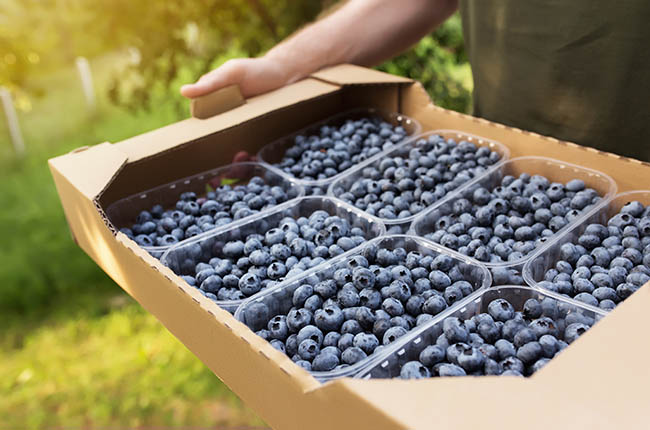
This shift has enabled a crucial segmentation of the category, with older blueberry varietals relegated to the frozen and processing sectors while the fresh tier is reserved for premium, branded fruit that can command a higher price point even in a crowded market.
Geographic diversification as risk mitigation
If 2024 was about worrying over market concentration, 2025 was the year the blueberry industry did something about it. With the United States—a market now valued at $9.1 billion—facing potential trade friction, global exporters have prioritized "de-risking" their portfolios. This has resulted in a radical expansion of the global blueberry map.
The most significant movement has been into Southeast Asia. This year, Australian blueberries successfully landed in Vietnam, and Peru secured historic access to Indonesia.
Meanwhile, Africa has emerged as the new frontier of production. While Morocco continues its rapid ascent, Zimbabwe has become the 2025 "breakout star," leveraging its unique climate and newly signed protocols to send high-quality fruit to China with zero tariffs.
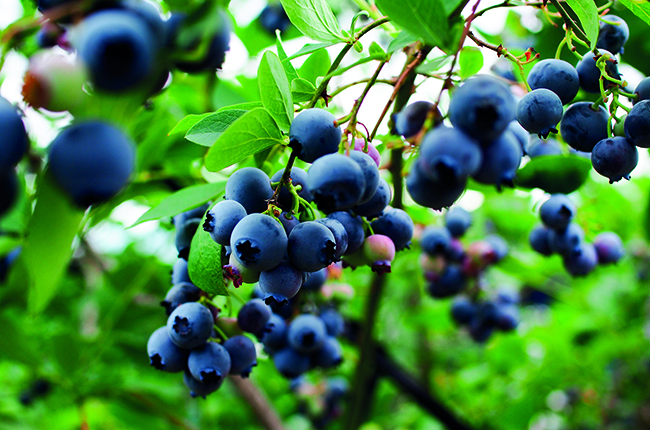
This geographic spread is not just about finding new customers; it is a strategic maneuver to ensure that a policy change in Washington or a port strike in Europe can no longer cripple an entire country’s export season.
Mastering the flattened curve: The Peruvian influence
Perhaps the most disruptive force over the last five years has been the meteoric rise of Peru.
In 2025, the Andean country cemented its status as the world’s leading exporter, but with a new strategy: the "flattened curve." Previously, the sheer volume of Peruvian fruit hitting the market in a concentrated 12-week window created a "supply glut" that decimated prices for everyone, including Peru.
Through 2025, the Peruvian blueberry industry, led by Proarándanos, has used advanced pruning techniques and a diverse mix of low-chill varieties to spread their production over a much longer period. By avoiding the massive October-November peaks, they have brought a level of price stability to the market that was previously unthinkable.
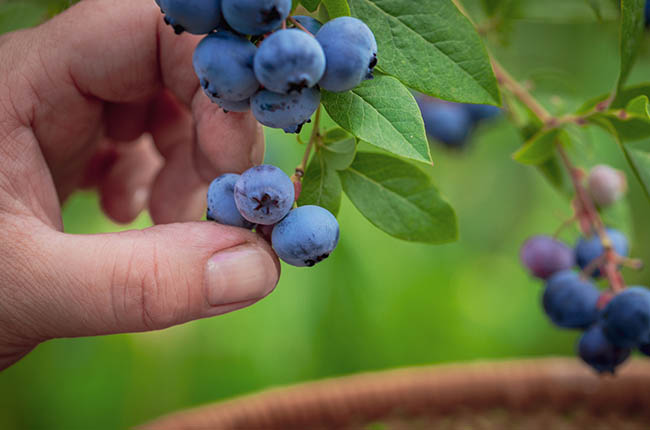
This "smoothing" of the supply chain has allowed retailers to plan long-term promotions with confidence, knowing they won’t face a "cliff" in supply. Peru’s ability to act as a 12-month supplier has forced other origins to either innovate or exit the window, effectively raising the barrier to entry for the entire global blueberry industry.
Economic maturity and the "premiumization" of the blueberry industry
In 2025, the blueberry industry officially reached "economic maturity."
In the United States, consumer data showed that 54 percent of shoppers now regularly purchase blueberries, a massive leap from just a few years ago. But as the fruit becomes a household staple, consumer expectations have evolved.
The modern shopper is no longer satisfied with a generic pint of blue fruit—they are looking for a "snacking experience."
This has led to the "premiumization" of the category. Retailers are now dedicating more shelf space to jumbo-sized berries, organic options (which now hold nearly 20 percent market share), and "flavor-first" brands.
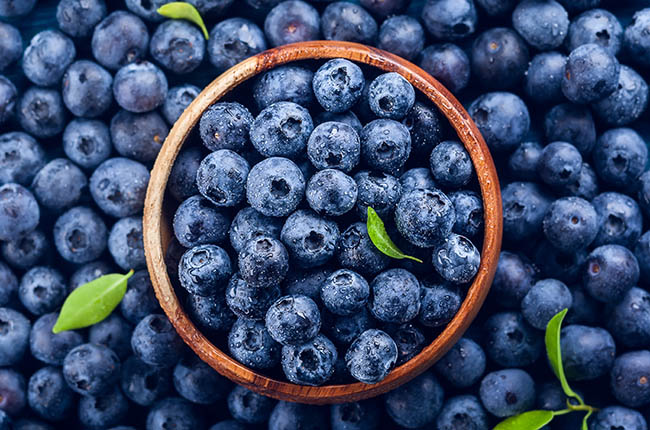
However, this success brings a daunting marketing challenge: how to move record-breaking crops from Peru, Mexico, and the US without crashing the price.
The goal is to ensure that even as supply rises, the "value" of the category remains intact.
Efficiency through automation: The future of the field
Tighter margins and a global labor crisis have made manual harvesting and packing increasingly unsustainable. In response, the blueberry industry has turned to cutting-edge technology to protect its bottom line.
In the packing houses, AI-driven optical sorters are now capable of analyzing every single berry for internal defects, firmness, and sugar content at incredible speeds.
Looking ahead, the "autonomous orchard" is no longer science fiction. 2025 saw the first large-scale deployments of robotic harvesters capable of picking fresh-market quality fruit.
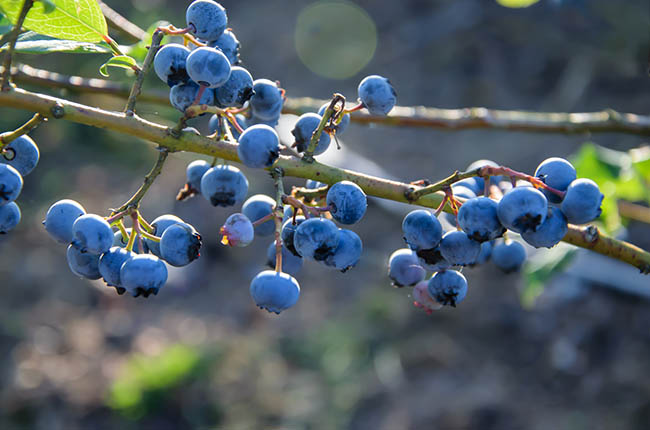
As these innovations become more affordable, the future of the blueberry industry looks like a high-tech manufacturing process—one where data is as important as soil, and the human hand is enhanced to ensure that every berry in a pack is identical in quality.
The blueberry industry in 2025 has proved that it is no longer a "boom-and-bust" sector. Through varietal renewal, geographic expansion, and technological brilliance, it has transformed into a sophisticated global machine.
While challenges such as climate volatility and trade barriers remain, the "Blue Renaissance" of 2025 has laid the foundation for a future in which the world’s favorite "super-fruit" is more consistent, more accessible, and more valuable than ever before.
*All images are referential
Related stories
The blueberry global market boom: consumption, production, and leading markets
Chile anticipates a high-quality 2025 blueberry season thanks to varietal renewal
IBO Report 2025: These are the five trends to watch in the blueberry industry



Subscribe to our newsletter