



The global table grape industry closed 2025 amid shifting supply dynamics in the Southern Hemisphere and mounting competitive pressure in key destinations, including the United States.
Peru continued to expand volumes and market reach, while Chile reduced shipments as it accelerated a varietal transition. At the same time, trade barriers, logistics disruptions, and slowing consumption in the United States forced exporters and importers to rethink strategies for the 2026 season.
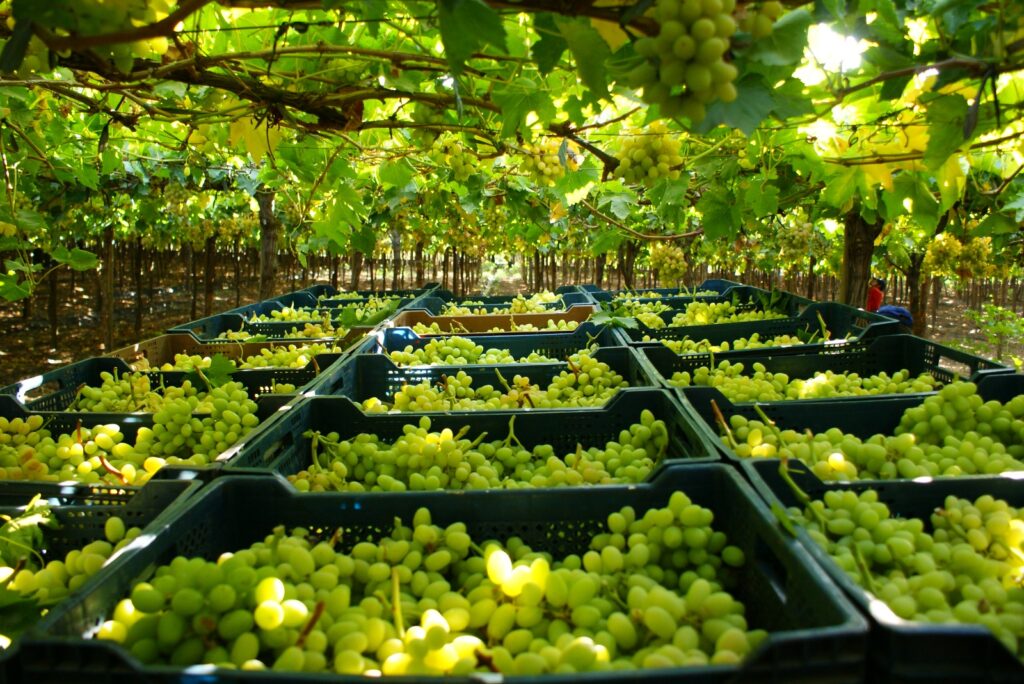
Peru and Chile remained the dominant Southern Hemisphere table grape suppliers heading into the 2025–26 season. Peru’s Producers’ Association (PROVID) projects a harvest of about 86.1 million 18.1-pound boxes, an increase of about four percent from the previous season. This is driven by expanded acreage and higher yields in major production regions.
Conversely, Chile revised its outlook downward to 63.6 million standardized 18.3-pound boxes. This marks a nearly six percent year-on-year decline, according to the Andean country’s Table Grape Committee. The adjustment reflects reduced plantings of traditional varieties and continued replanting toward licensed genetics.
Between January and October 2025, Peruvian table grape exports posted gains in both volume and value, positioning the country to potentially close the year with record shipments. The growth further narrows the gap with Chile in total volume, market coverage, and year-round supply.
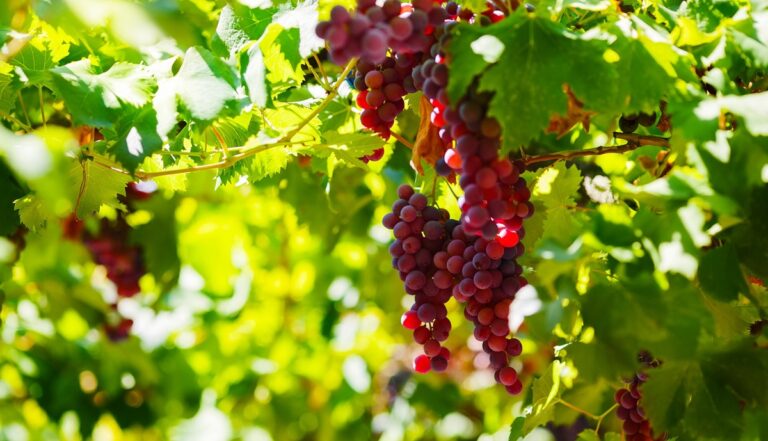
China continued to increase its role as a key growth market for imported table grapes, intensifying competition among suppliers from Chile, Peru, South Africa, Italy, and other countries.
According to data cited by intelligence firm Fluctuante, Chinese table grape imports rose from 57,000 metric tons in 2005 to more than 109,000 metric tons in 2024, equivalent to roughly 240 million pounds.

Despite being the world’s largest producer of table grapes, China relies on imports to meet year-round demand. Its main suppliers include Australia, Peru, Chile, South Africa, India, South Korea, and the United States.
In the US market, Chile remained the leading foreign supplier, though Peru continued to gain market share through higher volumes and a broader varietal mix.
Domestic production also shifted in 2025. California began harvesting the week of May 12, followed shortly by the Dominican Republic's entry into the US. The California season ended about a week earlier than usual, shortly after Thanksgiving, with low cold storage inventories.
Trade and regulatory developments weighed heavily on exporters serving the United States.
In 2025, the suspension of the Systems Approach for Chilean table grapes raised concerns about higher costs and logistical complexity. Although the US Department of Agriculture is appealing the federal court ruling in Washington, DC, the Chilean industry is not expected to see a resolution until 2026.

Tariff policy also affected the category. Reciprocal duties imposed during the Trump administration continued to apply to table grapes from countries like Chile, Peru, and Brazil, even after additional fees on several other fruits were removed. Brazil, meanwhile, gained access to China in 2025 after phytosanitary protocols for fresh grapes were finalized.
Logistical disruptions further complicated supply. South African exporters faced port congestion and increased inspections during November and December, delaying arrivals and limiting sales opportunities amid strong competition from Peru and Chile.
Legal enforcement also made headlines in 2025, with breeder Bloom Fresh securing major legal victories in China and Italy against intellectual property infringement.
Industry groups from Mexico, Chile, and Peru launched the Global Grape Group, an initiative led by Frutas de Chile, Mexico Table Grapes, and Provid de Perú. The cooperative aims to stimulate global table grape consumption, particularly in the United States, and includes participants across the supply chain, from growers to retailers.
The launch comes as supply growth has outpaced demand. Combined shipments from Chile, Peru, and Mexico increased 41 percent over the past eight years to about 100 million boxes, while US consumption rose just 3 percent over the same period. US per capita consumption slipped slightly, from about 8.6 pounds in 2005 to about 8.4 pounds in 2025.
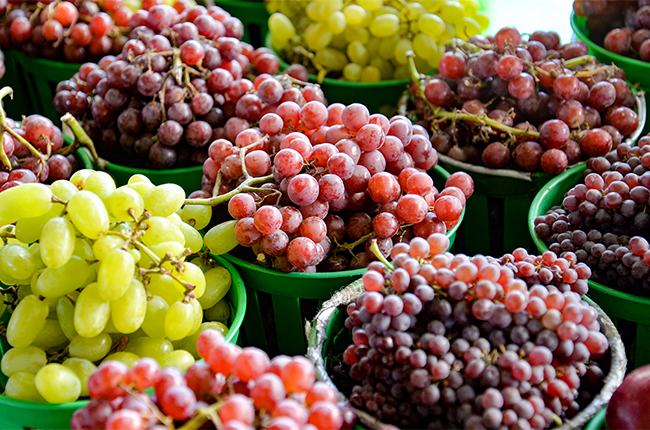
Varietal innovation and post-harvest technology remained central themes throughout the year, with growers and service providers emphasizing size, shelf life, and consumer preference. Industry meetings such as GrapeTech and regional technical forums focused on production efficiency, sustainability, and varietal adaptation.
Branded grapes had a moment in Europe, Sun World leading the charge with the debut of AUTUMNCRISP in Denmark. The firm’s recent partnership with Danish retailer Salling Group resulted in a significant boost in the segment, achieving a 90 percent sales increase for the brand's debut on the Continent.
By the end of 2025, the table grape sector will be in transition. Peru continued to scale up and diversify destinations, Chile focused on premium varieties amid lower volumes, South Africa worked through logistical challenges, and the United States and China exerted growing influence over global trade flows.
Industry participants increasingly viewed success as dependent not only on volume, but on consistent quality, logistical execution, and disciplined market timing in an increasingly competitive global environment.
Related stories
China's table grape exports set to rival Peru for world No. 1 spot, USDA forecasts
Chile still reigns supreme over US table grape imports—but Peru is closing in
The keys behind Peru's unprecedented 2025-26 table grape market expansion