




The figure of $1.92 billion means that imports during the first six months of each year have more than doubled over the last decade.

“The key aspect of this Committee is to create a strategy for the Chilean table grape sector to address both the challenges and the opportunities it faces,” said ASOEX.

Uvanova's Carolina Cruz and Martin Silva said: “We consider this season to be one of the worst, given that previous bad seasons - which saw water scarcity and rain during harvest - have had lasting effects.”

In the 2021-22 table grape season, countries in the Southern Hemisphere achieved a new export record of 1.5 million tons, an increase of 0.3 million tons in a decade.

Hazel Technologies, Inc. has announced a successful trial on California-grown table grapes, in conjunction with Oppy and Brar Farms.

A visit was recently made to the current facilities of a cold storage plant in the Pabellon sector in Tierra Amarilla, which will be refurbished to carry out quality control work.
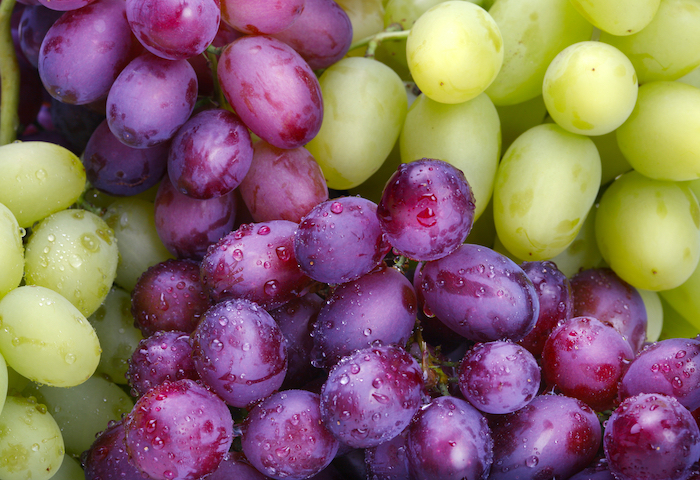
The General Manager of Peru's Table Grape Growers' Association, Alejandro Cabrera Cigarán said the industry would ship a minimum of 70 million boxes in the 2022-23 season, up from 64.8 million boxes in the previous season.

“This year, unfortunately we have had half the sizing we saw last season. We’ve never come across a similar situation,” said AALPUM managing director Juan Alberto Laborin.

South Africa's table grape industry body also said that the increased supply of Peruvian and Chilean grapes remains a "threat" to the country's exports.

The logistics crisis and its consequences have continued to impact the fruit sector, and Spain is no exception. The Iberian country, which exports approximately 60 percent of its total production of table grapes, has experienced an increase in production costs which is set to impact the upcoming season.